



Obesity Treatment Strategies: Empowering Ways to Conquer Lasting Health
Obesity treatment strategies have become increasingly important as this condition affects millions of individuals across the United States and worldwide. Defined as an excess accumulation of body fat, obesity poses significant physical health risks while also taking a toll on mental and emotional well being. Its multifaceted nature requires a comprehensive understanding of its causes, consequences, and solutions.
In recent decades, changes in lifestyle, dietary habits, and increasingly sedentary environments have contributed to the rapid rise in obesity rates. The consequences are far reaching, leading to an increased risk of chronic conditions such as diabetes, cardiovascular diseases, and certain types of cancer. Moreover, the social stigma and psychological burden that accompany obesity can lead to reduced self esteem and a diminished quality of life.
Effective obesity treatment strategies must address the complex interplay of genetics, environment, and behavior. By exploring this interaction, we can develop approaches that promote sustainable weight management and long term health improvements.
How Do People Cope With Obesity?
Coping with obesity involves addressing physical, emotional, and social aspects of life simultaneously. Among the most effective obesity treatment strategies, the following approaches stand out:
Seeking Professional Support: Many individuals turn to healthcare professionals, such as doctors, dietitians, and psychologists, to develop personalized weight management plans and receive emotional support.
Adopting Healthy Lifestyle Changes: Making positive changes to diet and exercise routines is instrumental in managing obesity. Setting realistic goals and gradually incorporating healthier habits is key to long term success.
Engaging in Physical Activity: Regular physical activity helps manage weight, improve overall health, and boost mood and self esteem. Finding enjoyable activities increases adherence to exercise plans over time.
Joining Support Groups: Participating in support groups or seeking community support provides a sense of belonging while sharing experiences and coping strategies with others facing similar challenges.
Addressing Emotional Eating: Emotional eating is a common coping mechanism. Learning to identify triggers and finding alternative ways to manage emotions can be highly beneficial.
Managing Stress: Stress contributes to weight gain and hinders weight loss efforts. Adopting stress reduction techniques such as meditation, yoga, or creative hobbies can make a significant difference.
Addressing Underlying Health Conditions: Some medical conditions and medications contribute to weight gain. Identifying and managing these conditions is an essential part of any obesity treatment strategy.
Focusing on Self Compassion: Developing self compassion and acceptance fosters a positive mindset, leading to better motivation and perseverance in managing obesity long term.
Educating Oneself: Learning about nutrition, portion control, and the impact of different foods on the body empowers individuals to make consistently healthier choices.
Celebrating Non Scale Victories: Instead of focusing solely on the number on the scale, celebrating improved energy levels, increased stamina, and better mood boosts morale and sustains motivation.
It is essential to remember that obesity treatment strategies are personalized journeys. Professional guidance and support from loved ones can significantly impact the process, ultimately leading to improved physical and emotional well being.
Why Is Obesity Difficult to Treat?
Obesity is challenging to treat due to a combination of complex factors that interact and reinforce each other. Understanding why standard obesity treatment strategies sometimes fall short helps clarify why a multidisciplinary approach is necessary:
Multi Factorial Causes: Obesity involves genetics, lifestyle choices, environment, socioeconomic status, and psychological factors. Addressing all of these simultaneously is a significant undertaking.
Individual Variability: Each person’s body responds differently to weight loss efforts. Finding personalized and effective strategies requires time, testing, and professional guidance.
Long Term Behavior Change: Successful weight management requires sustained behavior change, including healthier eating habits and regular physical activity maintained over years, not weeks.
Set Point Theory: The body has a natural set point weight it tends to defend. When weight is lost, the body may respond by increasing hunger and reducing metabolism to regain the lost weight.
Biological Mechanisms: Hormonal imbalances related to appetite regulation can make it challenging for some individuals to control food intake and feel satisfied after eating.
Emotional Factors: Emotional eating and psychological issues such as stress, depression, or low self esteem can influence eating behaviors and undermine weight loss efforts.
Weight Plateaus: Many individuals experience periods where progress stalls despite continued efforts. This can lead to frustration and a loss of motivation if not properly managed by a care team.
Despite these challenges, obesity can be managed and improved with the right support and interventions. A comprehensive, multidisciplinary approach — including medical supervision, dietary counseling, physical activity, and psychological support — enhances the chances of successful outcomes.
What Is the Medical Test for Obesity?
The primary medical test used to assess obesity is the Body Mass Index (BMI) calculation. BMI is a simple numerical value derived from an individual’s height and weight and is widely used as an indicator of body fatness. According to the Mayo Clinic, BMI is the standard starting point for evaluating weight related health risk.
To calculate BMI, divide weight in kilograms by the square of height in meters. For example, a person weighing 70 kg at 1.75 meters tall would have a BMI of 22.86.
BMI categories are defined as follows:
- Underweight: below 18.5
- Normal weight: 18.5 to 24.9
- Overweight: 25 to 29.9
- Obesity Class 1: 30 to 34.9
- Obesity Class 2: 35 to 39.9
- Extreme Obesity Class 3: 40 or higher
It is important to note that BMI has limitations. It does not directly measure body fat percentage and does not account for muscle mass, age, or gender. In some cases, additional assessments and consultations with healthcare professionals are necessary to accurately evaluate weight status and determine the most appropriate obesity treatment strategies.
How Does Genetics Influence Susceptibility to Obesity?
Genetics plays a significant role in determining how susceptible a person is to obesity, making it a critical factor in developing individualized obesity treatment strategies. Several genes are associated with body weight regulation, appetite control, metabolism, and fat storage:
Genetic Predisposition: Some individuals have genetic variants related to energy balance and fat metabolism that make weight gain more likely regardless of lifestyle.
Metabolism: Genetic variations can affect basal metabolic rate. Individuals with a lower metabolic rate may find it harder to maintain or lose weight compared to those with a higher rate.
Appetite Regulation: Genes involved in hunger and satiety signals affect how much and how often a person eats. Certain variants may lead to increased hunger or reduced feelings of fullness, contributing to overeating.
Fat Storage: Some individuals have a genetic tendency to store excess calories as fat more efficiently, leading to weight gain even with moderate caloric intake.
Response to Exercise: Genetic variations affect how the body responds to physical activity. Some people see greater benefits from exercise in terms of weight loss and body composition than others.
Fat Cell Development: Genetic factors influence the number and size of fat cells in the body. People with more or larger fat cells may be more prone to obesity.
While genetics contributes to obesity susceptibility, it does not solely determine a person’s weight. Environmental factors, including diet, physical activity, and lifestyle, also play a critical role. Lifestyle modifications remain essential for managing obesity regardless of genetic predisposition.
Obesity Treatment Strategies and Clinical Research at FOMAT
At FOMAT, we actively support clinical research in metabolic health and obesity related conditions across the United States. Advancing obesity treatment strategies depends on robust clinical trial data, and our investigator network plays a critical role in generating the evidence needed to bring better treatments to patients.
Are you or a loved one interested in participating in an obesity or metabolic health study? Visit our Active Studies page to explore current research opportunities available at FOMAT.
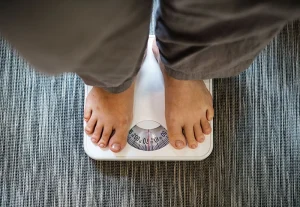
What Is the Medical Test for Obesity?
The primary medical test used to determine if an individual is obese or to assess their weight status is the Body Mass Index (BMI) calculation. BMI is a simple numerical value derived from an individual’s height and weight and is widely used as an indicator of body fatness.
To calculate BMI, follow these steps:
Measure the individual’s weight in kilograms (kg).
Measure the individual’s height in meters (m).
Divide the weight (in kg) by the square of the height (in meters). The formula is: BMI = weight (kg) / height^2 (m^2).
For example, if a person weighs 70 kilograms and their height is 1.75 meters, the BMI calculation would be as follows:
BMI = 70 kg / (1.75 m * 1.75 m) = 22.86
The resulting BMI value falls into different categories, which can help classify a person’s weight status:
Underweight: BMI less than 18.5
Normal weight: BMI between 18.5 and 24.9
Overweight: BMI between 25 and 29.9
Obesity (Class 1): BMI between 30 and 34.9
Obesity (Class 2): BMI between 35 and 39.9
Extreme Obesity (Class 3): BMI 40 or higher
It’s important to note that while BMI is a widely used tool, it has limitations. It does not directly measure body fat percentage, and factors like muscle mass, age, and gender are not accounted for in the calculation. Therefore, some individuals with high muscle mass or specific health conditions may have a higher BMI without being considered obese based on their actual body fat percentage. In such cases, additional assessments and consultations with healthcare professionals may be necessary to evaluate the individual’s weight status accurately.
Brought to you by Fomat Medical