
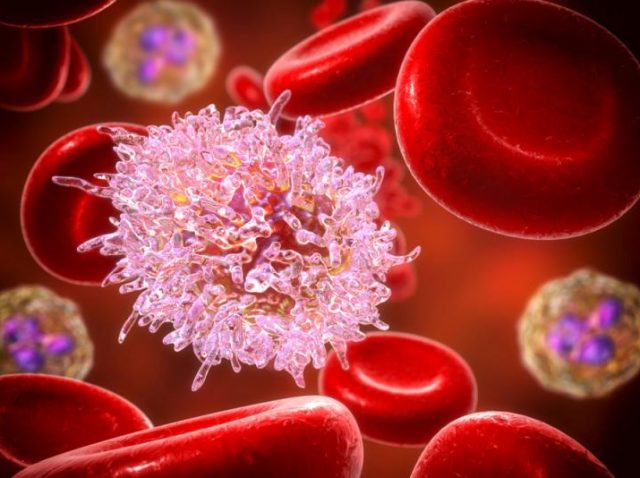
New Leukemia Drug is More Effective and Easier to Use
At FOMAT, hematology and oncology trials are among the most impactful work we do, particularly for older patients who often face limited treatment options and significant side effect burdens from standard chemotherapy. Studies like this one published in the New England...

Novel Protein Could Enhance Treatment For Breast Cancer
At FOMAT, breast cancer research is an area of deep commitment given how significantly it affects women across all of our patient communities. The discovery of new tumor suppressor mechanisms like this one from LSU Health opens promising new avenues for...

Rising Drug Prices Linked to Older Products, Not Just Newer, Better Medications
It’s no secret that drug prices are increasing, but to what extent are rising costs explained by the advent of newer, better drugs? A study from the University of Pittsburgh found that new drugs entering the market do drive up prices,...
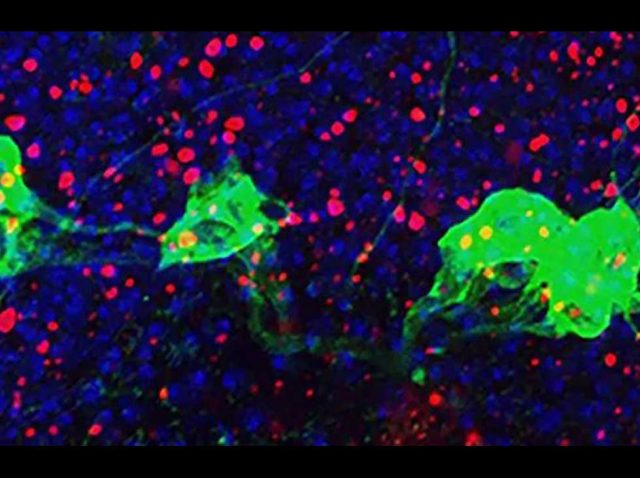
NIH Study Implicates Hyperactive Immune System in Aging Brain Disorders
In a study of fruit flies, NIH scientists suggested that the body’s immune system may play a critical role in the damage caused by aging brain disorders. The results are based on experiments in which the researchers altered the activity of...
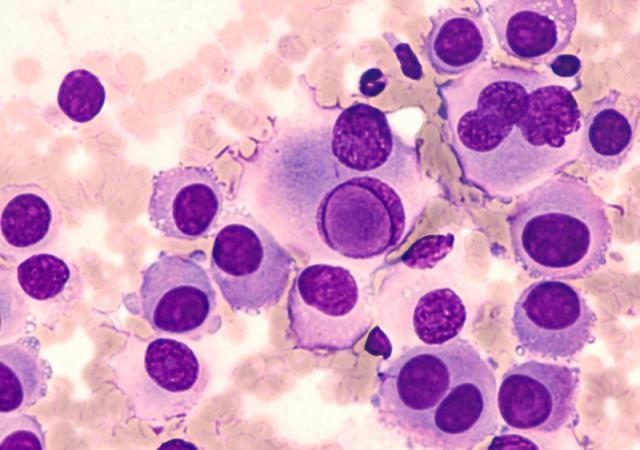
Cutting Off Melanoma’s Escape Routes
Stopping melanoma from spreading to other parts of the body might be as simple as cutting off the blood supply to cancer, according to researchers. Scientists from The University of Queensland’s Diamantina Institute have discovered stem cells that form blood vessels in...

World AIDS Day December 1, 2018
At FOMAT, we follow HIV research closely because the scientific advances made in this field have had ripple effects across all of infectious disease research, from vaccine development to antibody therapies. The clinical trial infrastructure built around HIV has directly informed...

A Cancer Drug May Help Treat Human Papillomavirus Infections
HPV infections caused an estimated 266,000 deaths from cervical cancer worldwide in 2012, according to the World Health Organization. Routine screening by Pap smears or Human Papilloma Virus DNA tests has reduced death rates in developed countries compared to less developed...

Potential Treatment for Common Soft-tissue Childhood Cancer
Scientists have developed a potential new therapeutic approach for synovial sarcoma, one of the most common soft-tissue cancers in teenagers and young adults. At present the long-term survival rates for synovial sarcoma patients is well below 50 percent; a fact that...
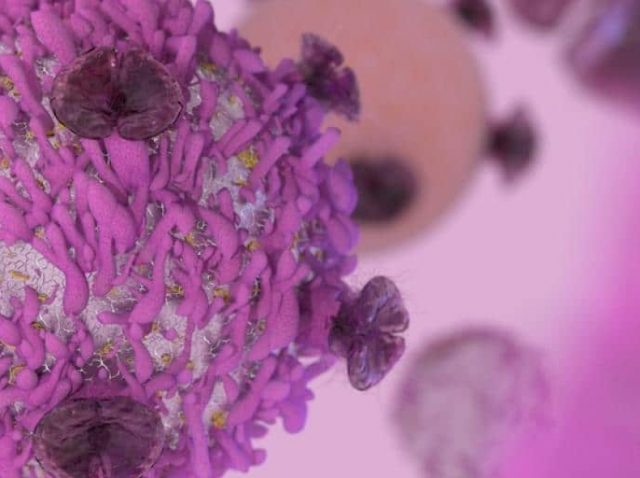
FDA Approves First Treatment Specifically for Patients With Rare Immune Disease
The FDA has approved Novimmune SA’s Gamifant (emapalumab) for the treatment of pediatric (newborn and above) and adult patients with primary hemophagocytic lymphohistiocytosis (HLH) who have refractory, recurrent or progressive disease or intolerance with conventional HLH therapy. This FDA approval is...
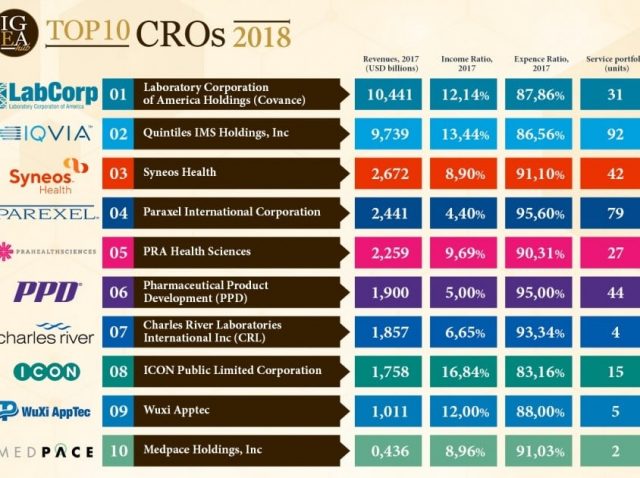
Top Clinical Research Organizations at a Glance!
Clinical Research would be a lot more difficult without the help of Clinical Research Organizations (CROs). These companies within the pharmaceutical industry not only help support drug companies but also companies in the biotechnology and medical device industries as well. Some...

A phase 3 study for chikungunya vaccine after passing midstage test
The chikungunya vaccine, known as MV-CHIK, hit its primary goal in the phase 2 trial, and Themis is now eyeing a move into phase 3. The company based its chikungunya shot on its measles vector platform, licensed from Institut Pasteur. In the...

Researchers Use Genetics to Predict Response to Antipsychotic Medications
At FOMAT, CNS and psychiatric research represent areas where personalized medicine can have a transformative impact on patient outcomes. Schizophrenia disproportionately affects underserved communities who often face the greatest barriers to accessing consistent psychiatric care, making research like this especially relevant...