

Alzheimer’s disease is a progressive neurological disorder that affects millions of people worldwide. It is characterized by the gradual loss of cognitive function, including memory, language, and reasoning skills. While the exact cause of Alzheimer’s is not fully understood, research has…

Sporadic Alzheimer’s in a Dish
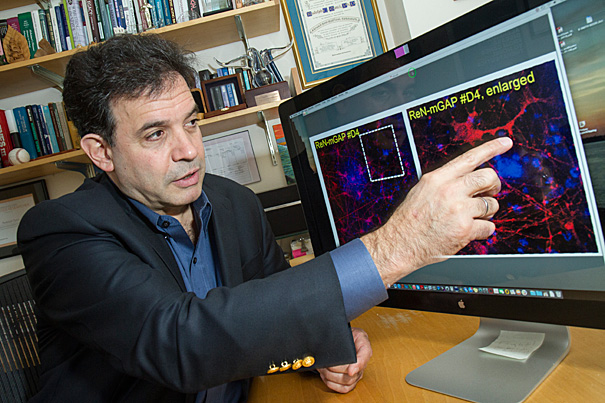
The new cell model of the most common form of Alzheimer’s points to molecular causes, drug target Harvard Medical School geneticists has created a new model-in-a-dish of sporadic Alzheimer’s disease, which accounts for more than 90 percent of Alzheimer’s cases and…
New Clarity’ Against Alzheimer’s
GAZETTE: Where are we with Alzheimer’s, medically and scientifically? TANZI: We’re a lot farther along now than we were even last year. Back in 1986, as a Harvard student in the graduate school, my doctoral study was to discover the first Alzheimer’s gene,…

Diabetes Sugars and Alzheimer’s Brain Plaques Potentially Linked
Diabetes and Alzheimer’s could have a cause-and-effect connection, according to a study published this week. Elevated blood sugar levels caused increased levels of amyloid beta, a fundamental ingredient of brain plaques in Alzheimer’s brains, in mice analyzed by the team from…

Last Patient Dosed in Phase 2a Alzheimer’s Study
Neurotrope, Inc. announced that the last patient has been dosed in its Phase 2a clinical trial of Bryostatin-1 for the treatment of patients with Alzheimer’s disease (AD). The trial is being conducted under an Investigational New Drug (IND) application filed by…

New Brain Protein Tied to Alzheimer’s Disease
Scientists have linked a new protein to Alzheimer’s disease, different from the amyloid and tau that make up the sticky brain plaques and tangles long known to be its hallmarks. The discovery could give a new target for developing drugs and…
Study Says 99% of Alzheimer’s Drug Trials Fail
Researchers at the Cleveland Clinic Lou Ruvo Center for Brain Health have conducted the first-ever analysis of clinical trials for Alzheimer’s disease (AD), revealing an urgent need to increase the number of agents entering the AD drug development pipeline and progressing…