

Investigadores del cáncer de la Universidad de Bergen (UiB) en Noruega han estado experimentando con cientos de medicamentos conocidos en los últimos años para ver cómo influyen en las células cancerosas del cáncer de próstata. Su descubrimiento más reciente muestra que un medicamento recetado para...
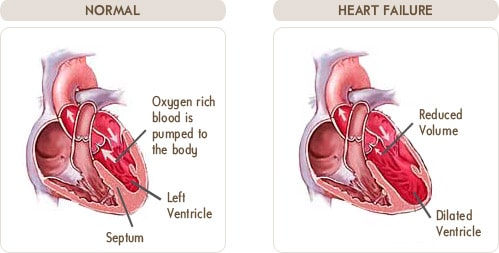
Un medicamento contra el cáncer resulta eficaz para el tratamiento de la insuficiencia cardíaca, según un estudio preclínico
Descubrimientos preclínicos sobre medicamentos contra el cáncer Investigadores de los Institutos Gladstone han descubierto que los medicamentos contra el cáncer recientemente desarrollados también podrían constituir una opción terapéutica para los pacientes con insuficiencia cardíaca. La insuficiencia cardíaca es la principal causa de mortalidad, hospitalización y gastos sanitarios en Estados Unidos. Incluso...
Se demuestra que las células cancerosas cooptan al “equipo de reparación” del ADN”
En experimentos con células cancerosas del colon humano y ratones, un equipo dirigido por científicos del Centro Oncológico Kimmel de la Universidad Johns Hopkins afirma tener pruebas de que el cáncer se origina cuando una parte normal del mecanismo celular que se utiliza generalmente para reparar el daño en el ADN...
Una molécula misteriosa es clave para inhibir el cáncer de colon
Los inmunólogos del St. Jude Children’s Research Hospital han descubierto que una proteína llamada NLRC3 desempeña un papel fundamental en la inhibición de la transformación cancerosa de las células del colon. El estudio, dirigido por la Dra. Thirumala-Devi Kanneganti, miembro del Departamento de Inmunología de St. Jude...
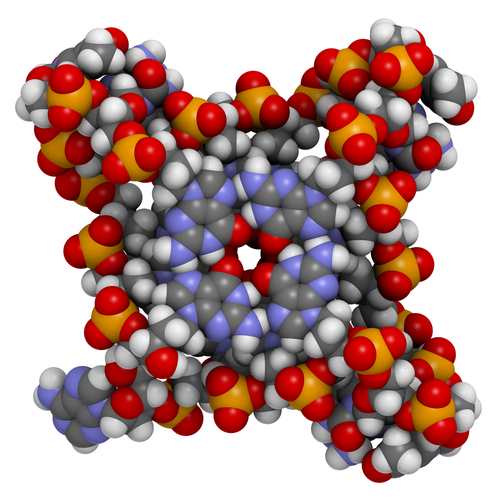
Los cambios en los telómeros predicen el cáncer
Según un nuevo estudio realizado por Northwestern Medicine en colaboración con la Universidad de Harvard, un patrón distintivo en el cambio de longitud de los telómeros sanguíneos, los extremos protectores de nuestras cadenas de ADN, puede predecir el cáncer muchos años antes del diagnóstico real. El patrón...

El tratamiento combinado contra el cáncer de próstata podría vencer a la enfermedad en su propio terreno: estudio preliminar
Cuando el cáncer de próstata avanza hasta el punto de extenderse, los tumores más grandes y resistentes desarrollan células que suprimen la respuesta inmunitaria del organismo y frustran los intentos de los médicos de atacarlos, según los expertos. Sin embargo, mediante la quimioinmunoterapia, un compuesto químico...

Investigadores descubren cómo la aspirina combate el cáncer
Reciba hoy mismo los titulares y las noticias sobre el descubrimiento y desarrollo de medicamentos. ¡Regístrese ahora! Tomar aspirina reduce el riesgo de padecer cáncer colorrectal, pero los mecanismos moleculares implicados se desconocían hasta el reciente descubrimiento del Instituto Hormel, afiliado a...
Una vacuna contra el cáncer basada en ARN personalizada y asequible funciona, con la ayuda de las células T CD4.
Por primera vez, se ha demostrado que muchas mutaciones en los tumores (el 20 %) son inmunogénicas, es decir, capaces de activar ejércitos de células T tras la vacunación. También por primera vez, se ha demostrado que la mayoría de esos ejércitos de células T activados...
Nuevos biomarcadores para detectar el cáncer de páncreas en una etapa temprana
Según una investigación publicada en Clinical Cancer Research, el cáncer de páncreas podría diagnosticarse hasta dos años antes mediante la detección de dos marcadores tumorales presentes en la sangre. El estudio, realizado por investigadores de la UCL, la Fundación Hospitalaria de la UCL y la Universidad...