
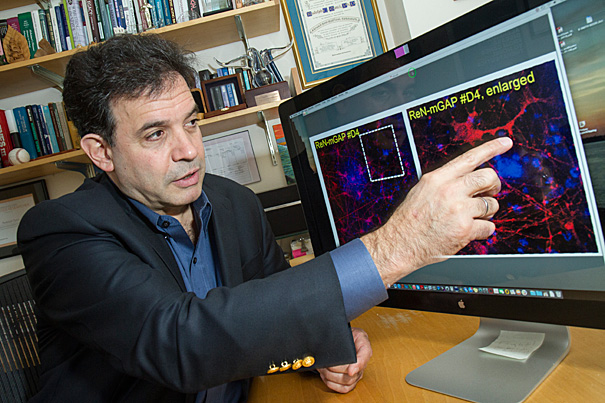
GAZETTE: ¿En qué punto nos encontramos con respecto al Alzheimer, desde el punto de vista médico y científico? TANZI: Hemos avanzado mucho más que el año pasado. En 1986, cuando era estudiante de posgrado en Harvard, mi tesis doctoral consistía en descubrir el primer gen del Alzheimer...
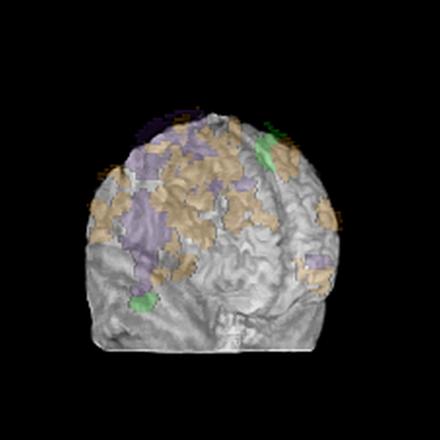
Una investigación descubre que el efecto del “pensamiento confuso” en la depresión y el trastorno bipolar es real
Las personas con depresión o trastorno bipolar suelen sentir que su capacidad de razonamiento se ha vuelto “confusa” o menos aguda que antes de que aparecieran los síntomas. Ahora, los investigadores han demostrado en un estudio a gran escala que ese efecto es real y tiene su origen en el cerebro...
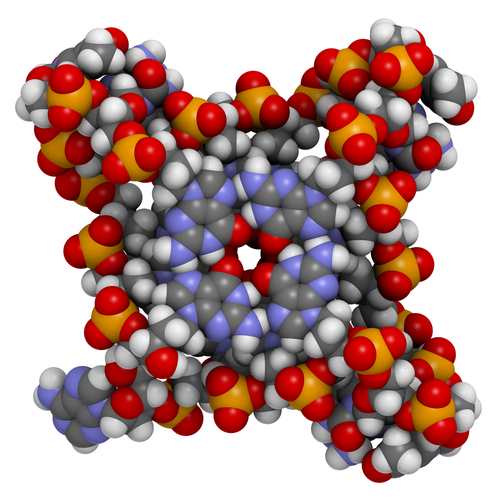
Los cambios en los telómeros predicen el cáncer
Según un nuevo estudio realizado por Northwestern Medicine en colaboración con la Universidad de Harvard, un patrón distintivo en el cambio de longitud de los telómeros sanguíneos, los extremos protectores de nuestras cadenas de ADN, puede predecir el cáncer muchos años antes del diagnóstico real. El patrón...
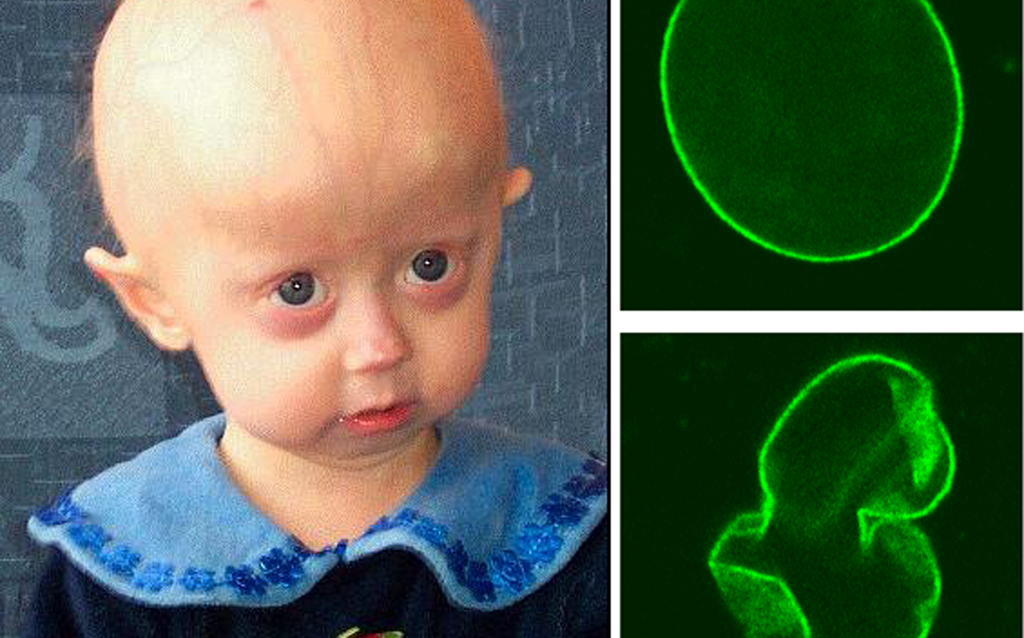
Se descubre un factor potencialmente reversible del envejecimiento
Mediante el uso de células madre y la edición genética, los investigadores del Instituto Salk han descubierto un importante factor impulsor de la investigación sobre el envejecimiento, desde el cáncer hasta la diabetes. Ese factor es la pérdida de heterocromatina, que es potencialmente reversible, ya que se trata de un proceso epigenético que inicialmente no forja...
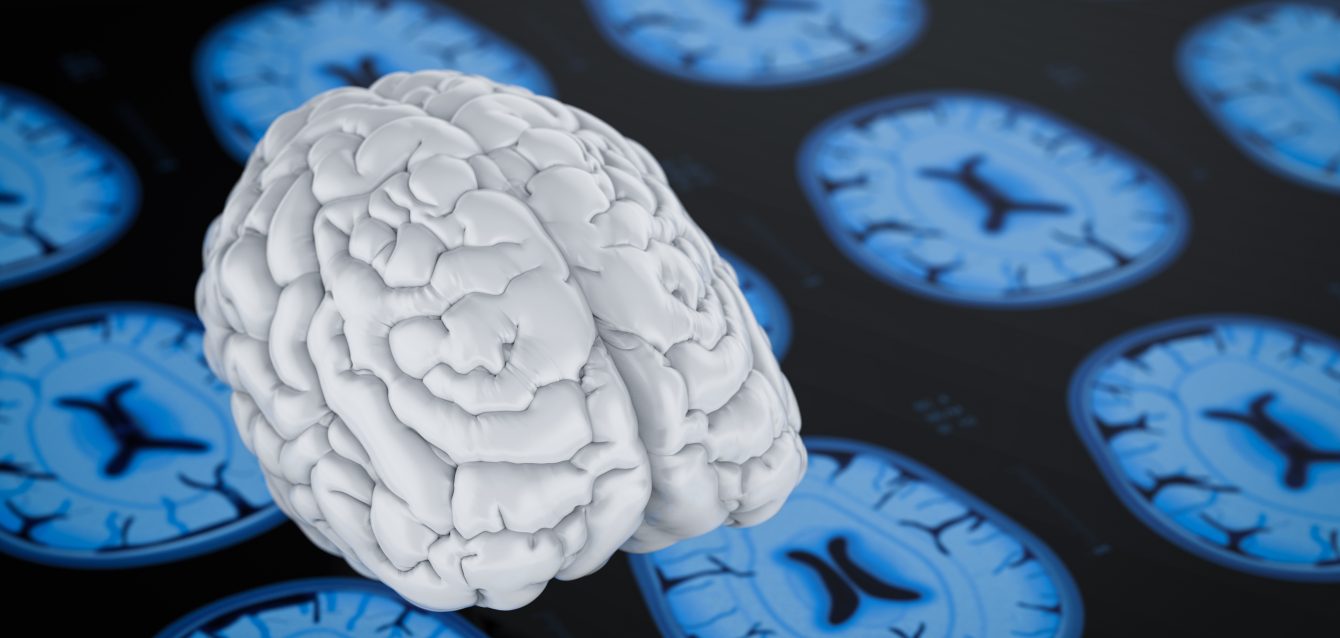
Posible relación entre los azúcares de la diabetes y las placas cerebrales del Alzheimer
La diabetes y el Alzheimer podrían tener una relación de causa y efecto, según un estudio publicado esta semana. Los niveles elevados de azúcar en sangre provocaron un aumento de los niveles de beta amiloide, un componente fundamental de las placas cerebrales en los cerebros con Alzheimer, en ratones analizados por el equipo de...
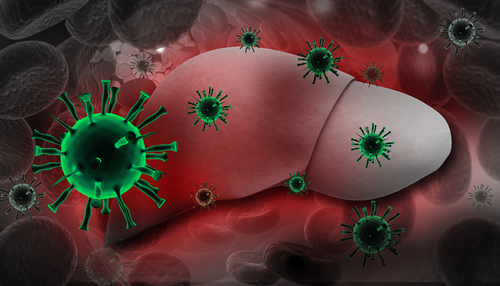
El tratamiento contra la hepatitis C elimina el virus en el 93% de los pacientes en un ensayo financiado por BMS.
En la continua competencia por encontrar tratamientos eficaces contra la hepatitis C, Bristol-Myers Squibb está probando su propia combinación de medicamentos: daclatasvir, asunaprevir y beclabuvir. Una dosis de 12 semanas de la combinación experimental de tres medicamentos contra la hepatitis C eliminó el virus en el 93 %...

El tratamiento combinado contra el cáncer de próstata podría vencer a la enfermedad en su propio terreno: estudio preliminar
Cuando el cáncer de próstata avanza hasta el punto de extenderse, los tumores más grandes y resistentes desarrollan células que suprimen la respuesta inmunitaria del organismo y frustran los intentos de los médicos de atacarlos, según los expertos. Sin embargo, mediante la quimioinmunoterapia, un compuesto químico...
Investigadores descubren cómo la aspirina combate el cáncer
Reciba hoy mismo los titulares y las noticias sobre el descubrimiento y desarrollo de medicamentos. ¡Regístrese ahora! Tomar aspirina reduce el riesgo de padecer cáncer colorrectal, pero los mecanismos moleculares implicados se desconocían hasta el reciente descubrimiento del Instituto Hormel, afiliado a...
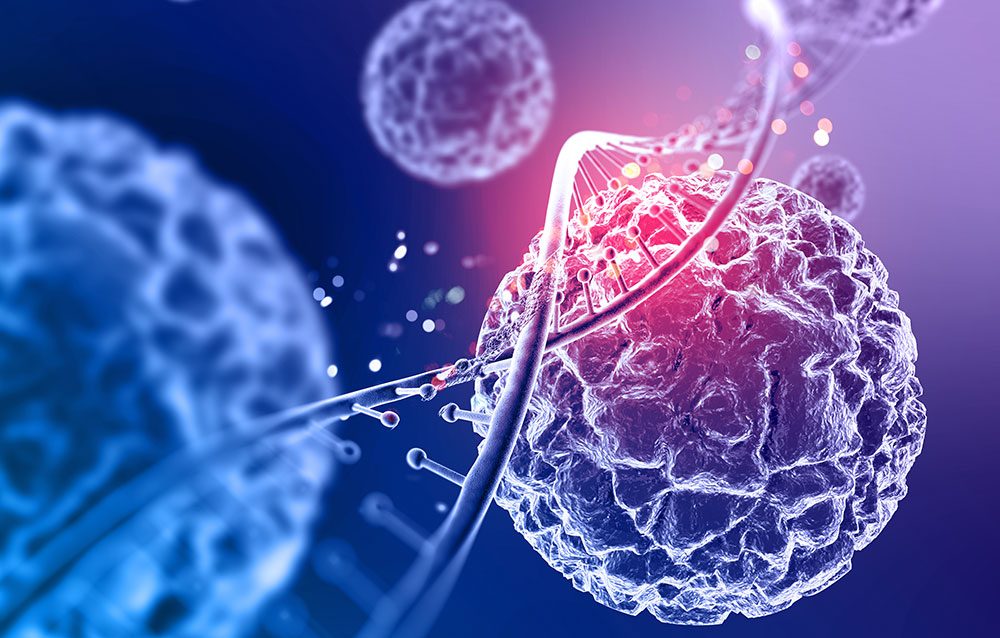
Una vacuna contra el cáncer basada en ARN personalizada y asequible funciona, con la ayuda de las células T CD4.
Por primera vez, se ha demostrado que muchas mutaciones en los tumores (el 20 %) son inmunogénicas, es decir, capaces de activar ejércitos de células T tras la vacunación. También por primera vez, se ha demostrado que la mayoría de esos ejércitos de células T activados...
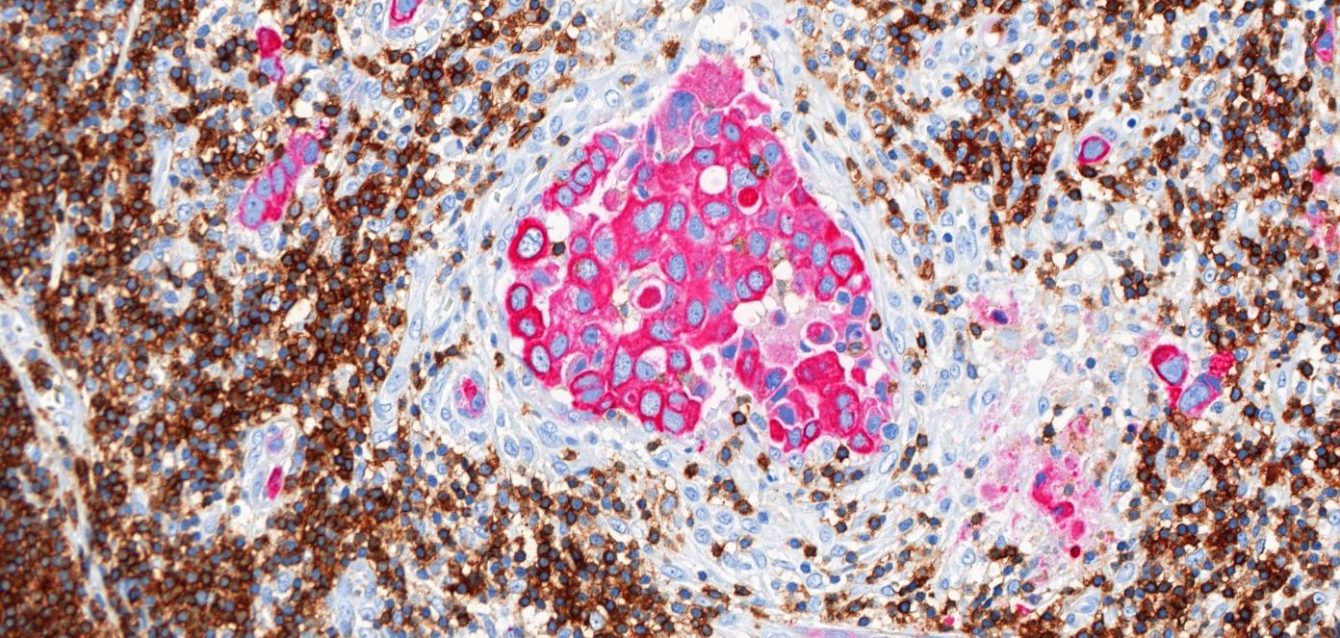
Tres formas en que la tecnología está cambiando el panorama del descubrimiento y desarrollo de medicamentos
Aunque la medicina personalizada ha sido un objetivo desde hace tiempo, ha habido varios obstáculos. A pesar de la explosión de datos genómicos, la validación de la utilidad clínica correspondiente a estos datos ha sido lenta. Los datos de imágenes de tejidos...