



What Are Panic Attack Mental Symptoms?
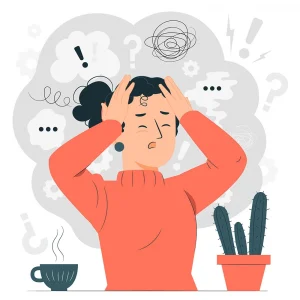
Understanding panic attack mental symptoms begins with recognizing how fear and anxiety manifest both mentally and physically during these episodes. During a panic attack, individuals may experience various panic attack mental symptoms that can be distressing and overwhelming. These symptoms are closely intertwined with the intense fear and anxiety that characterize these episodes. Here are some possible mental symptoms that can occur during a panic attack:
- Intense Fear or Dread: The most prominent mental symptom of a panic attack is an overwhelming sense of fear or dread. This fear is often irrational and may be out of proportion to any real threat or danger.
- Feeling of Losing Control: People experiencing a panic attack may feel like they are losing control over their thoughts, emotions, or actions. They may worry that they are going crazy or losing their sanity.
- Fear of Death or Impending Doom: During a panic attack, individuals may have an intense fear of dying or a belief that something terrible is about to happen to them.
- Feeling Detached or Unreal: Some individuals may experience a sense of detachment from themselves or their surroundings. They may feel like they are watching the situation from outside their body, leading to feelings of unreality or dissociation.
- Sense of Unreality or Dream Like State: People going through a panic attack may describe feeling like they are in a dream like state or that the world around them does not seem real.
- Inability to Concentrate or Focus: The extreme anxiety during a panic attack can make it challenging to concentrate on anything else. Thoughts may become scattered, and it may be challenging to focus on the present moment.
- Racing or Intrusive Thoughts: Individuals experiencing a panic attack may have racing thoughts that jump from one fear to another rapidly. These thoughts can be distressing and difficult to control.
- Feeling Overwhelmed: Panic attacks can be emotionally overwhelming, and individuals may feel completely consumed by fear and anxiety.
It is important to note that these mental symptoms often occur alongside the physical symptoms of a panic attack, creating a distressing and sometimes confusing experience for the person going through it. Panic attacks can be unpredictable, and the fear of having another attack can lead to increased anxiety and avoidance of certain situations or places.
If someone experiences recurrent panic attacks or develops a pattern of avoidance due to fear of having another attack, it is essential to seek professional help. Effective treatments, such as cognitive behavioral therapy and, in some cases, medication, can help manage and reduce the frequency and intensity of panic attacks, allowing individuals to regain control over their lives and mental well being.
Physical Symptoms That Accompany Panic Attack Mental Symptoms
During a panic attack, individuals may experience a wide range of intense and distressing physical symptoms alongside the mental ones. These symptoms are the body’s physiological response to the surge of fear and anxiety experienced during the episode. According to the Mayo Clinic, panic attacks typically reach their peak within minutes and can include the following physical symptoms:
- Rapid Heartbeat (Palpitations): One of the most common physical symptoms of a panic attack is a sudden increase in heart rate. It may feel like the heart is pounding or racing.
- Shortness of Breath: Individuals may experience difficulty breathing or feel like they cannot get enough air. This sensation can be distressing and may lead to hyperventilation.
- Chest Pain or Discomfort: Some people may experience chest pain or tightness during a panic attack. This can sometimes be mistaken for a heart attack, leading to further anxiety.
- Dizziness or Lightheadedness: A feeling of dizziness or lightheadedness is common during a panic attack. It may be accompanied by a sense of unsteadiness or feeling faint.
- Trembling or Shaking: Panic attacks can cause uncontrollable shaking or trembling of the hands, legs, or other body parts.
- Sweating: Profuse sweating, even in cool temperatures, is a typical physical response during a panic attack.
- Feeling of Choking or Tightness in Throat: Some individuals may experience a sensation of choking or tightness in the throat, which can add to the feeling of breathlessness.
- Nausea or Upset Stomach: Panic attacks can lead to digestive discomfort, including feelings of nausea, stomach cramps, or diarrhea.
- Hot or Cold Flashes: Some people may experience sudden sensations of feeling hot or cold during a panic attack.
- Tingling Sensations or Numbness: Panic attacks can cause tingling or numbness in various parts of the body, such as the hands, feet, or face.
- Feeling of Unreality (Depersonalization): Some individuals may experience a sense of detachment from themselves, as if they are observing the situation from outside their body.
- Feeling of Being Detached from Reality (Derealization): Panic attacks can lead to a feeling of detachment from the surrounding environment, making things seem unreal or dream like.
- It is important to remember that panic attacks are not life threatening on their own, although the physical symptoms can be distressing. Understanding that panic attacks are a result of heightened anxiety and seeking appropriate support can help individuals manage and cope with these episodes effectively.
If someone experiences recurrent panic attacks or has concerns about their physical symptoms, it is essential to seek medical evaluation to rule out other potential medical conditions. If panic attacks are interfering with daily life, seeking help from a mental health professional can be beneficial for diagnosis and treatment.
How Can Caffeine Affect Panic Attacks?
Caffeine can potentially affect panic attacks due to its stimulating properties on the central nervous system. For some individuals, consuming caffeine can trigger or worsen panic attack mental symptoms, while others may not be as sensitive to its effects. Here is how caffeine can impact panic attacks:
Increased Anxiety: Caffeine is known to increase alertness and arousal, which can lead to heightened feelings of anxiety and restlessness. In susceptible individuals, this heightened state of arousal may contribute to the onset of panic attacks or intensify existing anxiety.
Physical Symptoms Mimicking Panic: The physiological effects of caffeine, such as increased heart rate, rapid breathing, and trembling, can mimic some of the physical symptoms of a panic attack. In some cases, these caffeine induced physical sensations may be misinterpreted as the onset of a panic attack, leading to increased anxiety.
Sleep Disruption: Caffeine can interfere with sleep, especially when consumed in large quantities or close to bedtime. Sleep disturbances can increase overall stress and anxiety levels, making individuals more vulnerable to experiencing panic attacks.
Withdrawal Effects: Regular caffeine consumers may develop a level of physical dependence. Abruptly reducing or eliminating caffeine intake can lead to withdrawal symptoms, such as headaches, irritability, and increased anxiety. In some cases, these withdrawal symptoms may resemble the physical and emotional distress experienced during panic attacks.
Individual Sensitivity: People vary in their sensitivity to caffeine. Some individuals may be more prone to experiencing anxiety and panic like symptoms in response to caffeine, while others may not notice significant effects.
It is important to note that not everyone with panic attacks will be negatively affected by caffeine, and individual responses can vary. Recognizing these triggers is key to managing panic attack mental symptoms before they escalate. Many people find that reducing caffeine significantly improves their panic attack mental symptoms over time.
What About Caffeine and Stress? How Does That Affect Panic Attacks?
Caffeine’s impact on stress can potentially influence the occurrence and intensity of panic attacks, especially in individuals who are susceptible to anxiety. Here is how caffeine and stress are interconnected and how they may affect panic attacks:
Stress Response: Stress triggers the body’s fight or flight response, leading to the release of stress hormones like cortisol and adrenaline. Caffeine, being a stimulant, can further amplify this stress response by increasing the release of adrenaline and other stress related neurotransmitters. As a result, the combined effects of stress and caffeine can lead to heightened arousal and feelings of anxiety.
Sensitivity to Stress: Some individuals may be more sensitive to the effects of stress and caffeine, making them more prone to experiencing increased anxiety and panic like symptoms. For these individuals, the combination of stress and caffeine consumption can create a perfect storm for the onset of panic attacks.
Sleep Disruption: Both stress and caffeine can disrupt sleep patterns. When stress and lack of sleep combine, it can lead to increased irritability, reduced coping abilities, and heightened emotional reactivity, potentially worsening anxiety and panic.
Caffeine as a Coping Mechanism: Some individuals may use caffeine as a coping mechanism to combat fatigue and stress. While caffeine can provide a temporary energy boost and increase alertness, using it as the primary means to manage stress may not address the underlying causes of stress and anxiety. Relying on caffeine to cope with stress can lead to a cycle of dependency and potential worsening of panic symptoms.
Individual Sensitivity: As with anxiety and panic attacks, individual sensitivity to caffeine and stress varies. While some people may consume moderate amounts of caffeine without significant effects on stress or panic, others may find that reducing or eliminating caffeine helps them manage stress and reduces the likelihood of panic attacks.
Managing stress through healthy coping mechanisms, such as relaxation techniques, exercise, mindfulness, and seeking social support, can be essential for individuals prone to panic attacks. Reducing caffeine intake, especially during times of increased stress, may also be beneficial.
If you have a history of panic attacks or anxiety and feel that caffeine consumption is affecting your stress levels, consider discussing your concerns with a healthcare professional or mental health specialist. They can help you develop a personalized approach to managing stress and anxiety, which may include adjustments to your caffeine intake and the use of effective stress reduction strategies. Managing panic attack mental symptoms related to stress and caffeine requires a consistent and personalized approach.
What About Caffeine and Fatigue? How Does That Affect Panic Attacks?
The relationship between caffeine, fatigue, and panic attack mental symptoms is complex and can vary depending on individual responses to caffeine and the underlying causes of fatigue.
Caffeine as an Energy Boost: Caffeine is commonly consumed to combat feelings of fatigue and drowsiness. It acts as a stimulant, temporarily increasing alertness and reducing perceived fatigue. For some individuals, this boost in energy may help them manage their daily tasks more effectively and reduce the likelihood of panic attacks triggered by fatigue related stress.
Caffeine Dependency and Fatigue: While caffeine can provide a short term energy boost, regular and excessive consumption can lead to caffeine dependency. Over time, the body may become reliant on caffeine to maintain energy levels, and sudden withdrawal or reduced caffeine intake can result in feelings of fatigue and lethargy. For individuals prone to panic attacks, experiencing fatigue due to caffeine withdrawal may increase overall stress and anxiety, potentially triggering panic attacks.
Sleep Disturbances: Caffeine consumption, especially later in the day, can disrupt sleep patterns, leading to inadequate or restless sleep. Fatigue resulting from poor sleep can negatively impact mood, cognitive function, and stress resilience, making individuals more vulnerable to experiencing panic attacks.
Individual Sensitivity to Caffeine: Some individuals are more sensitive to the effects of caffeine than others. For those who are particularly sensitive, even moderate amounts of caffeine may lead to increased anxiety or jitteriness, which could potentially contribute to panic attacks.
Underlying Causes of Fatigue: It is essential to consider the underlying reasons for fatigue. Fatigue can result from various factors, such as lack of sleep, stress, physical exertion, or medical conditions. In some cases, panic attacks and anxiety themselves can lead to feelings of fatigue. Addressing the root causes of fatigue and adopting healthy lifestyle habits can be crucial in managing both fatigue and panic attacks.
For individuals who experience panic attacks and have concerns about how caffeine affects their fatigue levels, it is advisable to observe their caffeine consumption patterns and consider potential links between caffeine intake, fatigue, and anxiety. Moderating caffeine intake, especially in the afternoon and evening, can help improve sleep quality and overall well being, potentially reducing the risk of panic attacks triggered by fatigue related stress.
If you struggle with panic attacks and fatigue, or if you suspect that caffeine consumption may be contributing to these issues, consider discussing your concerns with a healthcare professional. They can provide personalized guidance and recommendations based on your specific health needs and help you develop strategies to manage both panic attacks and fatigue effectively.
Understanding Panic Attack Mental Symptoms: The Path to Recovery
Understanding panic attack mental symptoms is the first step toward effective anxiety management. Panic attack mental symptoms can be overwhelming experiences, characterized by intense fear, detachment, and dread.
By shedding light on the emotional complexities of panic attacks, we gain insight into the challenges faced by individuals coping with anxiety disorders. It becomes evident that fear, both rational and irrational, plays a central role in shaping the experience of panic attacks.
Education and awareness about panic attack mental symptoms are essential not only for those directly affected but also for friends, family, and support networks. Empathy and understanding can be powerful tools in providing a nurturing environment for those struggling with anxiety.
Seeking professional help and exploring therapeutic approaches, such as cognitive behavioral therapy, can equip individuals with coping mechanisms to confront fear head on and regain control over their lives. Additionally, addressing potential triggers, stress management, and self care practices can contribute to the prevention and reduction of panic attacks.
At FOMAT, we believe that fostering an environment of compassion, knowledge, and empowerment can bridge the gap between fear and understanding, supporting one another on the journey toward mental well being and resilience in the face of panic attacks. Let us embrace empathy and knowledge as we stand united in the pursuit of a more compassionate and informed world for those navigating the complexities of anxiety and fear.
Brought to you by Fomat Medical