

La enfermedad de Alzheimer es un trastorno cerebral progresivo e irreversible que deteriora gradualmente la memoria, las capacidades cognitivas y la función cognitiva general. Es la forma más común de demencia y afecta a millones de personas en todo el mundo. Esta introducción ofrece una visión general de la enfermedad de Alzheimer, incluyendo...

Enfermedad de Alzheimer (causas, etapas y señales de alerta) Parte 1
La enfermedad de Alzheimer es un trastorno neurológico progresivo que afecta a millones de personas en todo el mundo. Se caracteriza por la pérdida gradual de la función cognitiva, incluyendo la memoria, el lenguaje y la capacidad de razonamiento. Aunque la causa exacta del Alzheimer no se conoce del todo, las investigaciones han...

Alzheimer esporádico en una placa de Petri
El nuevo modelo celular de la forma más común de Alzheimer apunta a causas moleculares y a objetivos farmacológicos Los genetistas de la Facultad de Medicina de Harvard han creado un nuevo modelo en placa de Petri de la enfermedad de Alzheimer esporádica, que representa más del 90 % de los casos de Alzheimer y...
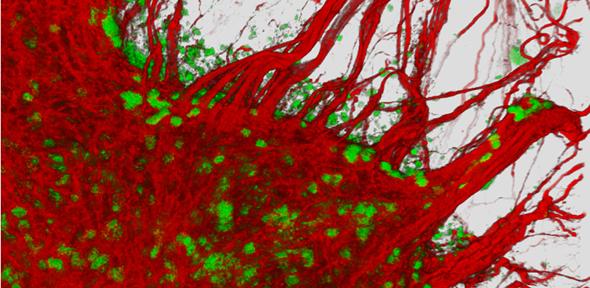
Descubrimiento de puntos de conexión con un posible nuevo tratamiento para el Alzheimer
Los investigadores han descubierto que las proteínas que controlan la progresión del Alzheimer están relacionadas en una vía metabólica, y que los medicamentos dirigidos a esta vía podrían ser una forma de tratar la enfermedad, que afecta a 40 millones de personas en todo el mundo. Los hallazgos se han publicado...
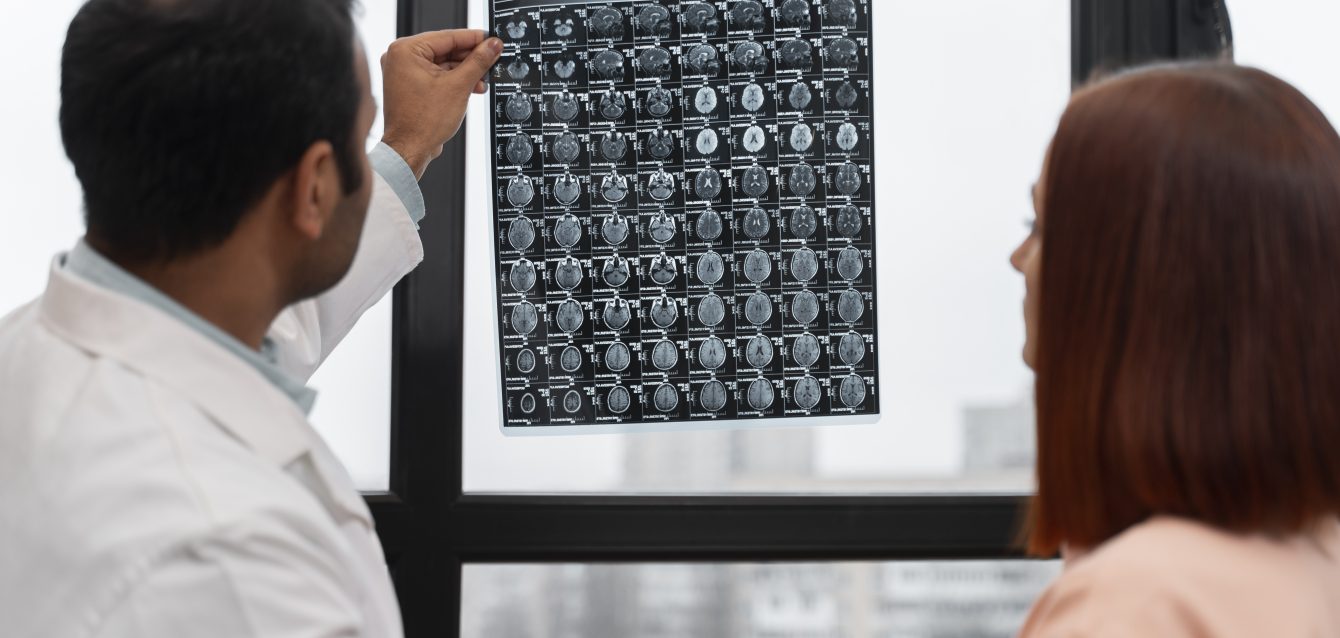
Último paciente tratado en el estudio de fase IIa sobre el Alzheimer
Neurotrope, Inc. ha anunciado que se ha administrado la última dosis a los pacientes participantes en su ensayo clínico de fase IIa con bryostatina-1 para el tratamiento de pacientes con enfermedad de Alzheimer (EA). El ensayo se está llevando a cabo en virtud de una solicitud de nuevo fármaco en investigación (IND) presentada por...

Nueva proteína cerebral relacionada con la enfermedad de Alzheimer
Los científicos han relacionado una nueva proteína con la enfermedad de Alzheimer, diferente de la amiloide y la tau que forman las placas y ovillos pegajosos del cerebro, conocidos desde hace tiempo como sus características distintivas. El descubrimiento podría proporcionar un nuevo objetivo para el desarrollo de medicamentos y...