

Improved Survival in Women with HER2 Negative Breast Cancer
At FOMAT, oncology trials are among our most meaningful work, and breast cancer research holds a special place given how significantly it affects the women in the communities we serve. HER2 negative and triple negative breast cancer subtypes are particularly difficult...
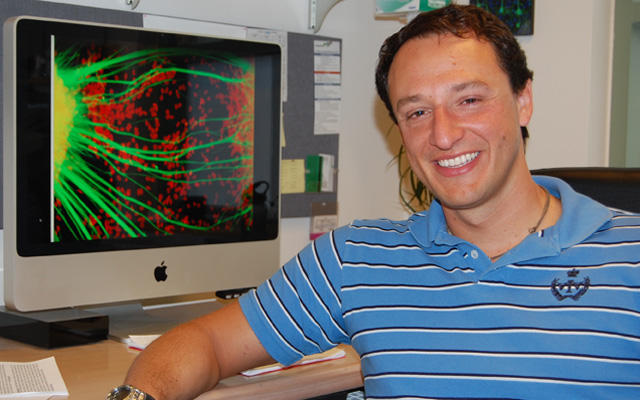
Multiple Models Reveal New Genetic Links in Autism
At FOMAT, we closely follow advances in neurology and CNS research that have the potential to shape the future of clinical trials. Understanding the genetic underpinnings of Autism Spectrum Disorder (ASD) is particularly relevant to our mission — ensuring that diverse...
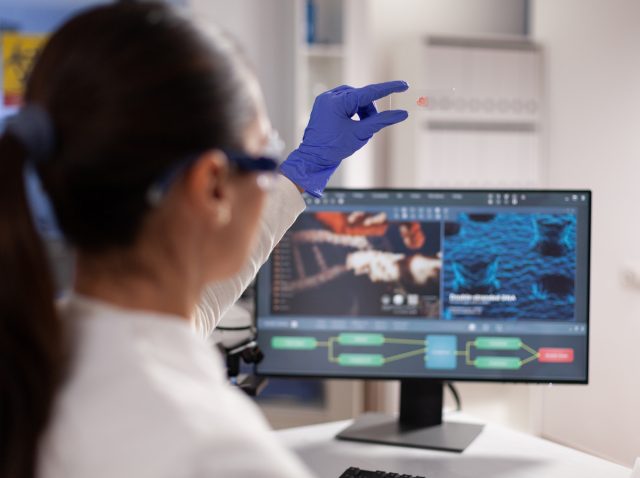
Researchers Discover Promising Strategy for Fighting HIV
Harvard Stem Cell Institute (HSCI) researchers at Massachusetts General (MGH) and Boston Children’s hospitals (BCH) for the first time have used a relatively new gene-editing technique to create what could prove to be an effective technique for blocking HIV from invading...
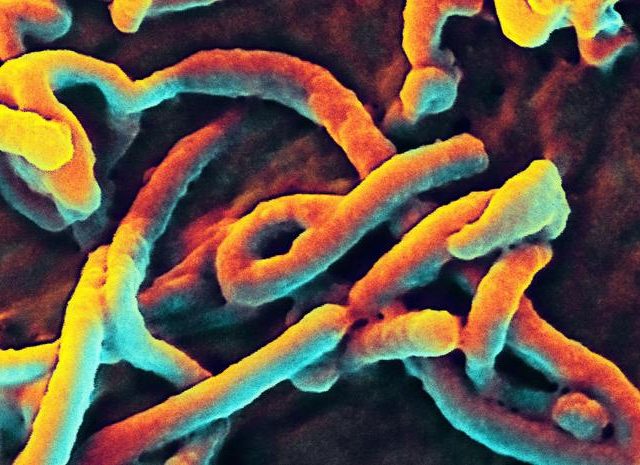
Ebola Health Lessons: A Wake-up Call
At FOMAT, global health crises like the 2014 Ebola outbreak shaped how the entire clinical research industry thinks about emergency trial protocols, vaccine development timelines, and the ethical imperative to invest in treatments for underserved populations. The lessons learned from Ebola...
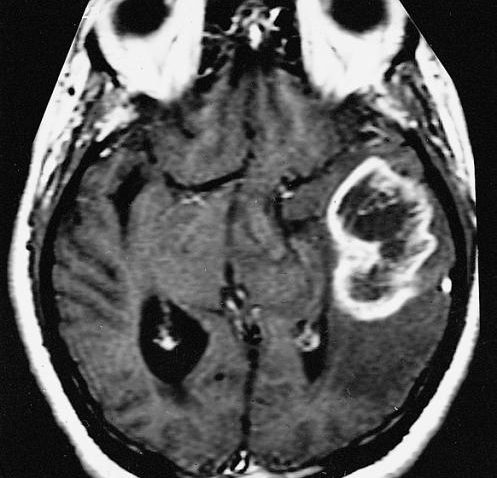
Shutting Down Energy to Brain Cancer
A multicenter team of researchers has identified an enzyme key to the survival and spread of glioblastoma cancer cells that is not present in healthy brain cells, making the enzyme therapy a promising target. “With this enzyme, we may have found...
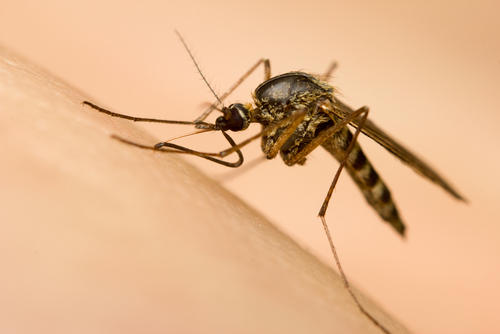
Increased Dosing of Malaria Drug in Children May Lower Infection Risk
Piperaquine is a long-acting malaria drug that kills residual parasites and decreases the risk of reinfection. A study led by Uppsala University researcher Martin Bergstrand shows that increasing the dose used in children could potentially decrease the yearly incidence of malaria...

World-First Embryonic Stem Cell Trial for the Heart
The long-awaited trial comes after much preclinical cell work on more than 350 rats, 50 immunodeficient mice and 32 non-human primates. “After 20 years in the stem cell area and a daily practice of cardiac surgery, I am very cautiously optimistic,”...
Drug Combination Shows Promise As Powerful Breast Cancer Treatment
The uncontrolled growth of cancer cells arises from their ability to hijack the cell’s normal growth program and checkpoints. Usually, after therapy, a second cancer-signaling pathway will open after the primary one shuts down — creating an ingenious escape route for...

Five More Ebola Vaccines To Be Tested in March
The World Health Organization says millions of doses of two experimental Ebola vaccines, part of the ongoing WHO Ebola update, could be ready for use in 2015. Still, the agency warned it’s not clear whether any of these will work against...
NIH Begins Early Human Clinical Trial of New Ebola Vaccine
Human testing of a second investigational Ebola vaccine candidate is under way at the National Institutes of Health’s Clinical Center in Bethesda, Maryland. Researchers at the National Institute of Allergy and Infectious Diseases (NIAID) are conducting the early phase trial to...

Ebola airport checks expand; nurses get training
The federal government is closing a gap in Ebola screening at airports while states from New York to Texas to California work to get hospitals and nurses ready in case another patient turns up somewhere in the U.S. with the deadly...
Why Ebola Kills Some People, Others Survive
People who shared an apartment with the country’s first Ebola patient are emerging from quarantine healthy. And while Thomas Eric Duncan died and two U.S. nurses were infected caring for him, there are successes, too: A nurse infected in Spain has...