
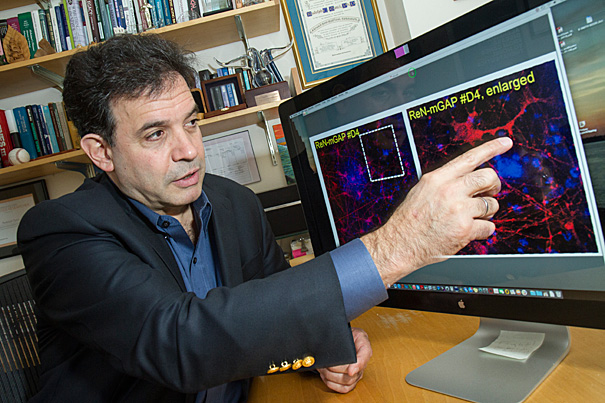
GAZETTE: Where are we with Alzheimer’s, medically and scientifically? TANZI: We’re a lot farther along now than we were even last year. Back in 1986, as a Harvard student in the graduate school, my doctoral study was to discover the first Alzheimer’s gene,…
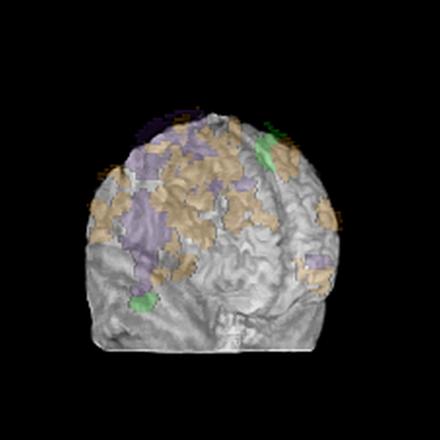
Research Finds “Fuzzy Thinking” Effect in Depression, Biopolar Disorder is Real
People with depression or bipolar disorder often feel their thinking ability has gotten “fuzzy”, or less sharp than before their symptoms began. Now, researchers have shown in a very large study that effect is indeed real – and rooted in brain…
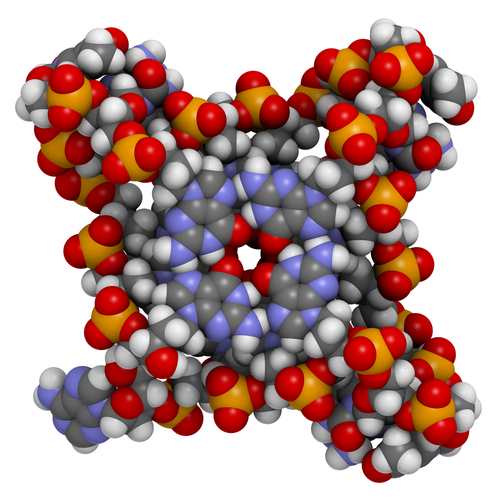
Telomere Changes Predict Cancer
A distinct pattern in the changing length of blood telomeres, the protective end caps on our DNA strands, can predict cancer many years before actual diagnosis, according to a new study from Northwestern Medicine in collaboration with Harvard University. The pattern…
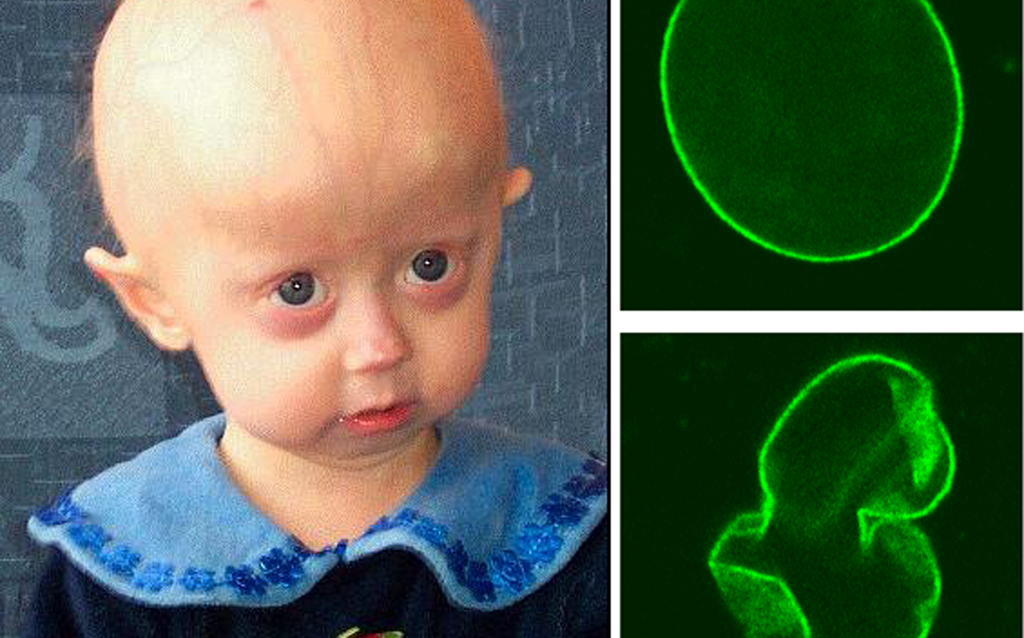
Potentially Reversible Driver of Aging Found
Using stem cells and gene editing, Salk Institute researchers have unearthed a major driver of aging research, from cancer to diabetes. That driver: loss of heterochromatin, which is potentially reversible as it is an epigenetic process that does not initially forge…
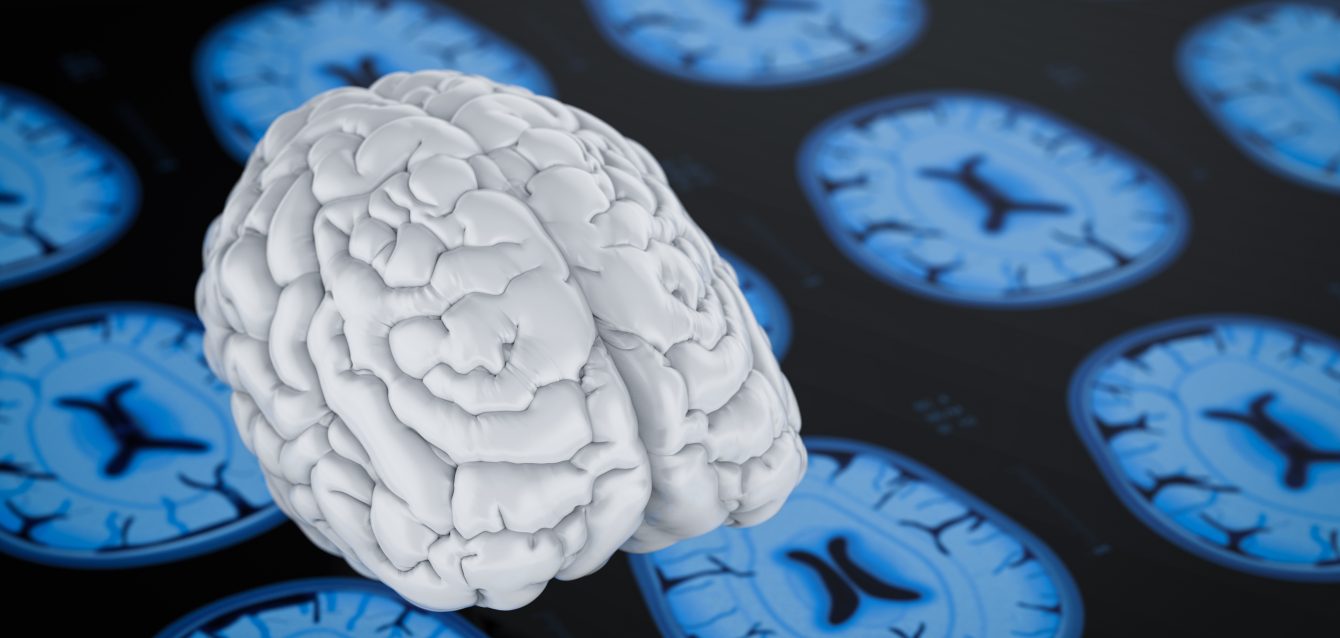
Diabetes Sugars and Alzheimer’s Brain Plaques Potentially Linked
Diabetes and Alzheimer’s could have a cause-and-effect connection, according to a study published this week. Elevated blood sugar levels caused increased levels of amyloid beta, a fundamental ingredient of brain plaques in Alzheimer’s brains, in mice analyzed by the team from…
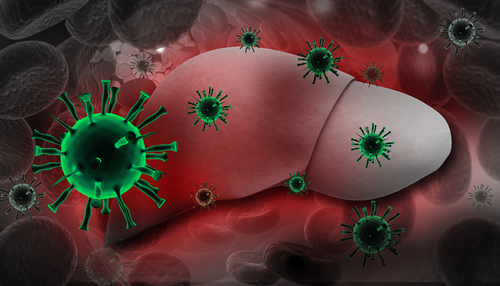
Hepatitis C Therapy Clears Virus in 93% of Patients in BMS-Funded Trial
In the continual competition for successful hepatitis C treatments, Bristol-Myers Squibb is trying its hand at its own combination of drugs — daclatasvir, asunaprevir, and beclabuvir. A 12-week dose of the investigational three-drug hepatitis C combination cleared the virus in 93…

Prostate Cancer Combination Treatment Could Beat Disease at Its Own Game: Early Study
When prostate cancer advances to the point of spreading, the larger and more stubborn tumors develop cells that suppress the body’s immune response – and defeat doctors’ attempts to launch an attack on it, experts said. But through chemoimmunotherapy, a chemical…

Researchers Discover How Aspirin Fights Cancer
Get today’s drug discovery & development headlines and news – Sign up now! Taking aspirin reduces a person’s risk of colorectal cancer, but the molecular mechanisms involved have remained unknown until a recent discovery by The Hormel Institute, affiliated with the…
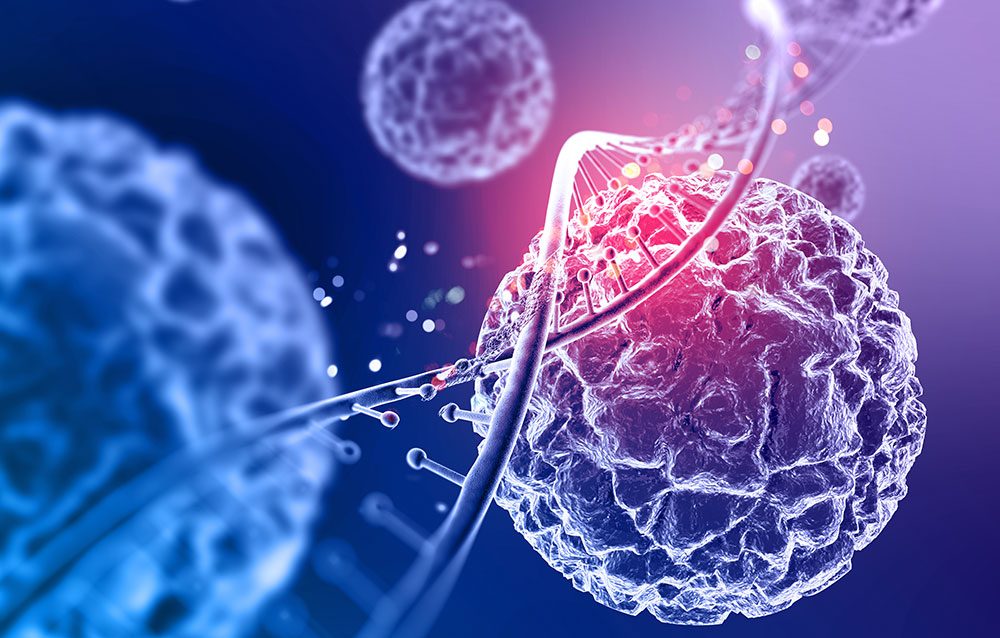
Affordable Personalized RNA Cancer Vaccine Works, Aided by CD4 T Cells
For the first time, it has been shown that many mutations in tumors–20 percent—are immunogenic, or able to rouse armies of T cells, post-vaccine. Also for the first time, it has been shown that most of those roused T cell armies…
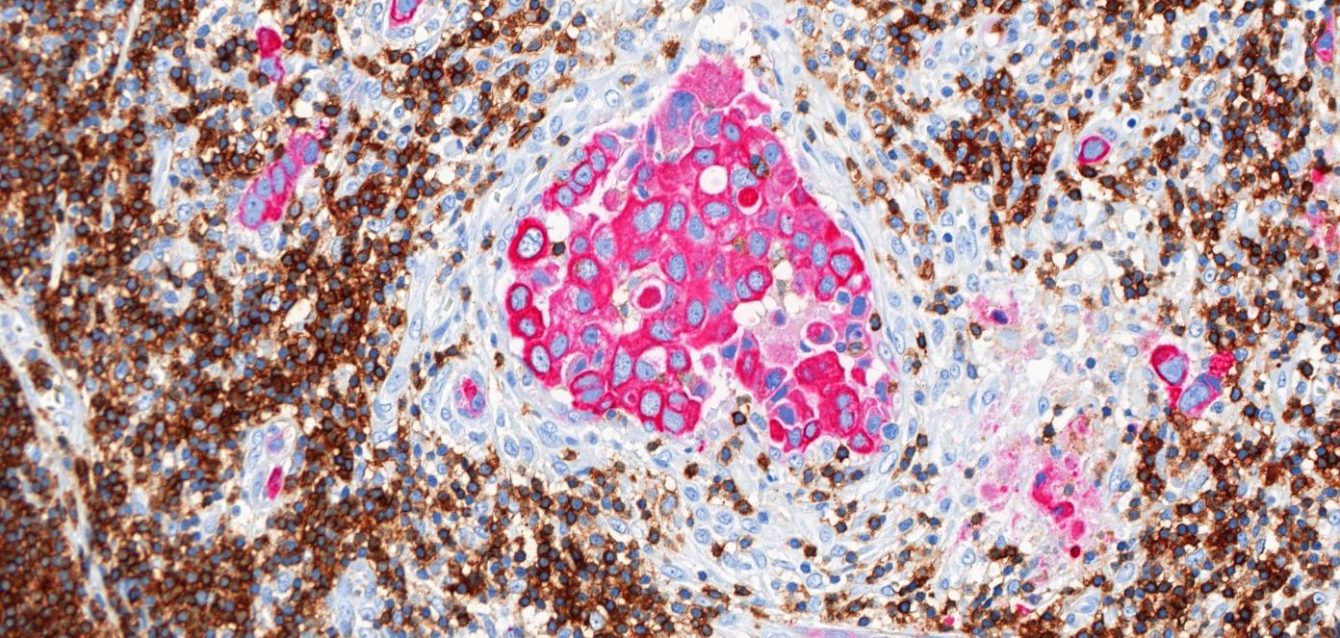
3 Ways Technology is Changing the Face of Drug Discovery & Development
While personalized medicine has been a goal for some time, there have been several obstacles. Although there has been an explosion in genomic data, the corresponding clinical utility for this data has been slow to be validated. Data from tissue images,…